
Overcome your fears and phobias
Do intense fears or specific phobias keep you from experiencing life fully? A fear of flying, heights, public speaking, spiders or something else can begin to limit your choices and enjoyment of everyday life.
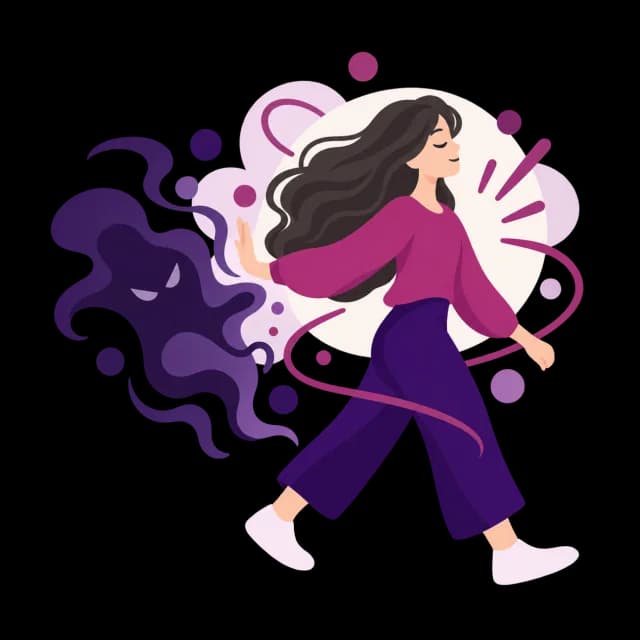
Your body's protective response
Understanding fears and phobias
Fear is a natural response designed to protect you from danger. When your brain detects a threat, your nervous system can react quickly, preparing your body to protect itself.
A phobia is different from an everyday fear. It is an intense or persistent fear of a particular object, situation or experience that feels difficult to control, even when you recognise that the actual level of danger may be small.
The response can feel very real and very physical.
Your heart may race, your breathing may change, your muscles may tense and you may experience a strong urge to escape or get away.
You haven't chosen to respond this way. A phobic response is something your brain and nervous system have learned.
When avoidance reinforces fear
How a fear can become stronger
A fear can sometimes begin following a frightening or unpleasant experience. But you don't always know exactly where a phobia came from.
You may have had a particular experience yourself, witnessed someone else's fear, learned to associate something with danger, or simply developed a strong response over time.
Once the brain has learned to associate something with danger, it can react automatically when that trigger appears, or even when you simply think about it.
The cycle can look something like this:
Trigger › fear response › physical symptoms › urge to escape › relief › stronger fear next time.
The relief you experience after avoiding the situation can unintentionally reinforce the idea that you were only safe because you escaped.
When fear shapes your choices
Avoidance can make life smaller
Avoiding something that frightens you can feel like the obvious solution.
If you're afraid of flying, you don't fly.
If you're afraid of spiders, you avoid places where you might see one.
If you experience social anxiety, you may avoid situations where you feel exposed or judged.
Avoidance can provide immediate relief. But it can also prevent your brain from discovering that you may be capable of experiencing the situation without something terrible happening.
Over time, the list of things you avoid can sometimes grow, and a fear that once seemed manageable can begin to influence your choices, relationships, travel and everyday life.
A genuine nervous-system response
Your body's fear response is real
Even when you know logically that you are not in immediate danger, your body may respond as though you are.
You might experience:
 A racing heart
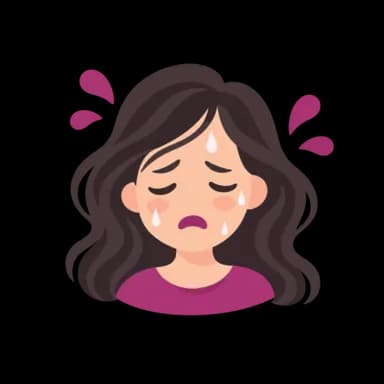 Sweating or trembling
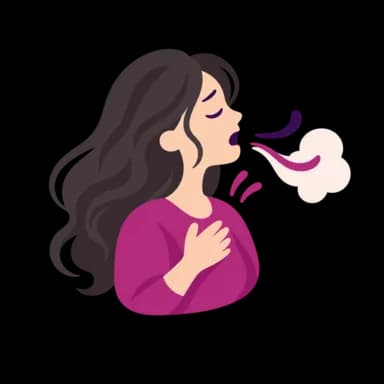 Rapid or shallow breathing
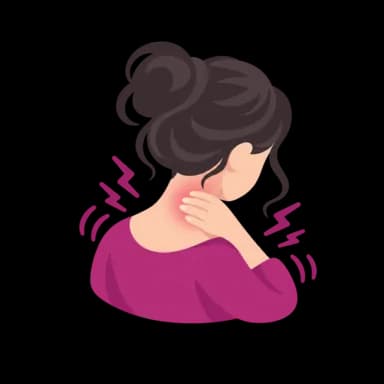 Muscle tension
 Nausea or butterflies
 Dizziness or light-headedness
These sensations can themselves become frightening, particularly if you've experienced panic in the past.
Understanding that these reactions are part of your body's protective response can be an important first step towards changing how you respond to them.
Changing a learned response
You don't have to be controlled by your fear
The aim isn't to tell yourself simply to “stop being afraid.”
Fear doesn't usually disappear because you tell yourself it shouldn't be there.
Instead, it can be helpful to work on the learned response behind the fear and develop a greater sense of calm, control and confidence.
With the right approach, you can begin to change your relationship with the trigger rather than allowing the fear to make your decisions for you.
- Understand the fear response. Explore how your particular fear may have developed and what continues to maintain the response.
- Work with learned patterns. Hypnotherapy can use focused attention, relaxation and suggestion to work with patterns of thought and response associated with your fear.
- Create new responses. Develop calmer and more helpful responses to situations or triggers that previously produced a strong fear reaction.
- Build relaxation skills. Learn techniques that can help you remain calmer when you encounter anxious thoughts, sensations or situations.
- Strengthen confidence. Develop greater trust in your ability to cope with situations that previously felt overwhelming.
- Work at a manageable pace. Explore your fear in a supportive, non-judgemental environment without pressure to move faster than feels appropriate.
- Challenge unhelpful beliefs. Identify thoughts and assumptions that may be maintaining the fear and develop more balanced ways of responding.
This is where hypnotherapy may have a role.
Ready to make more room for life beyond fear?
Book a free, no-obligation call with me to talk about your fear or phobia and whether hypnotherapy feels right for you.