



Reboot Your Mind, Helen Bell

Overcoming anxiety

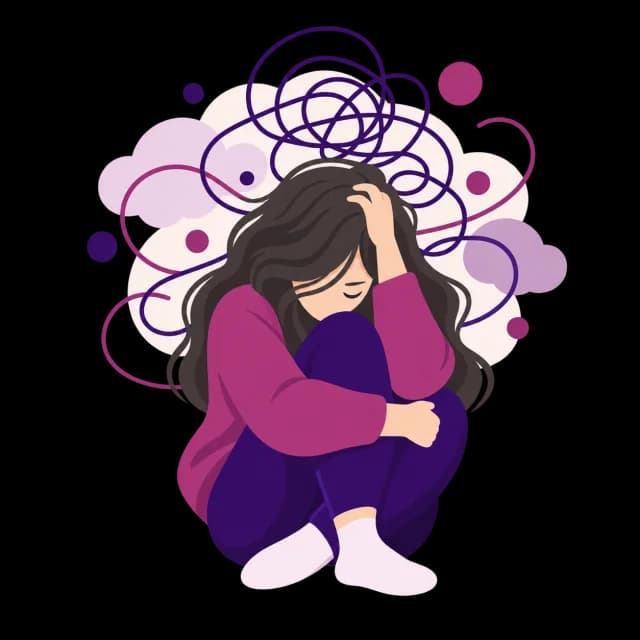
Do you feel as though anxiety has taken the driver’s seat? From worries about the future to physical symptoms that will not let up, it can be exhausting. You are not alone, and there is a way forward.

Recognising the pattern

If you are experiencing anxiety, you may…

Anxiety can affect your thoughts, your body, your sleep and the choices you feel able to make.

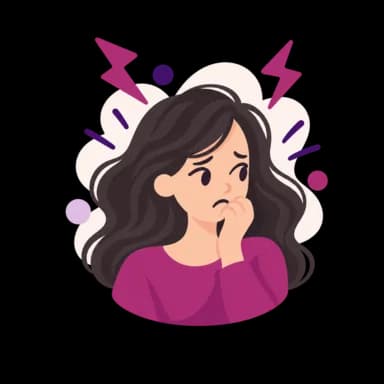
  • Worry constantlyCaught in a loop of “what ifs”, with an expectation of the worst outcome in everyday situations.
  • Notice physical symptomsA rapid heartbeat, sweating and fatigue can make ordinary tasks feel daunting and exhausting.
  • Avoid social situationsFear of anxious feelings, a panic attack, judgement or not fitting in may affect your personal and professional life.
  • Experience insomniaLying awake replaying scenarios, with poor sleep both contributing to anxiety and being caused by it.
  • Feel unable to relaxFinding it difficult to enjoy the present because your mind returns to the past or fears the future.
  • Feel overwhelmedWhen anxiety peaks, even small tasks can feel too much, leading to procrastination and helplessness.

Your body's protective response

Understanding anxiety

Anxiety is more than simply feeling worried. It is your body's natural response to perceived danger or uncertainty, designed to help keep you safe.

When your brain detects a threat, whether that threat is real, possible or imagined, your nervous system can switch into a state of heightened alertness. Your heart may beat faster, your breathing can change, your muscles may tense and your attention becomes focused on looking for danger.

This response can be helpful when you genuinely need to act quickly. But when anxiety becomes frequent or feels difficult to switch off, your nervous system can begin to react to everyday situations as though they are threats.

When worry reinforces itself

The anxiety cycle

Anxiety can become a self-reinforcing cycle.

You may notice a thought such as:

  • “What if something goes wrong?”
  • “What if I can't cope?”
  • “What if people notice I'm anxious?”

The thought can create a physical feeling, perhaps a racing heart, tight chest, butterflies in your stomach or dizziness.

You then notice the sensation and become concerned about what it means.

Diagram showing the anxiety cycle: thought, physical sensation, worry, increased alertness, stronger symptoms and more worry.

The more frightening the sensations feel, the more closely you may monitor your body for signs of anxiety. This can make perfectly normal sensations feel threatening and keep the cycle going.

When avoidance takes over

When anxiety starts to limit your life

It is also common to change your behaviour in an attempt to prevent anxiety.

You might avoid certain situations, constantly seek reassurance, plan everything carefully, stay close to an “escape route” or decide not to do things because you are worried about how you will feel.

These responses can provide relief in the short term. But over time, avoiding situations can reinforce the belief that they are dangerous or that you won't be able to cope.

You may gradually find yourself making decisions based on avoiding anxiety rather than doing what you actually want to do.

A genuine nervous-system response

Anxiety can feel very physical

It is important to remember that anxiety isn't “just in your head”. The physical symptoms are a genuine response from your nervous system and can feel very real and sometimes frightening.

  • A racing heart
  • Changes in breathing
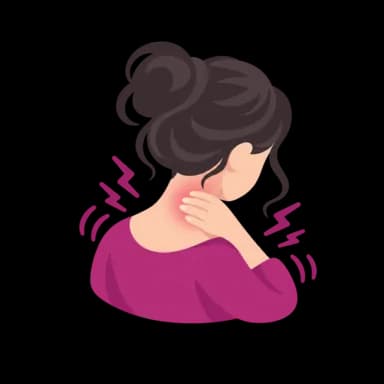
  • Muscle tension
  • Sweating
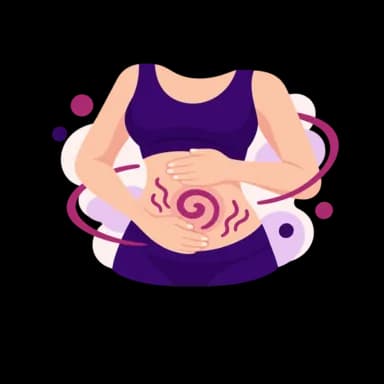
  • Nausea
  • Feeling on edge

Understanding what is happening in your body can be the first step towards responding differently.

Rather than fighting every anxious thought or fearing every physical sensation, you can learn to develop a calmer response and feel more in control.

Changing your response

Breaking the cycle

The aim isn't necessarily to make sure you never feel anxious again. Anxiety is a normal human emotion and can sometimes be useful.

Instead, hypnotherapy can help you develop a different relationship with anxious thoughts and sensations, so they don't have to dictate what you do.

By learning to calm your nervous system, change unhelpful patterns and build confidence in your ability to cope, you can begin to feel more comfortable doing the things that matter to you.

And this is where the work we do together in sessions comes in.

Working beneath the surface

How hypnotherapy can help with anxiety

Hypnotherapy uses focused relaxation and positive suggestion to help change the patterns that keep anxiety active.

  1. Understand whats maintinaing your anxiety. Explore the thoughts, behaviours, experiences and patterns that may be contributing to or maintaining your anxiety.
  2. Learn relaxation techniques. Practise deeply relaxing your mind and body to reduce physical symptoms.
  3. Change negative thought patterns. Develop a different response to anxious thoughts
  4. Improve sleep quality. Calm the mind and reduce the anxiety that can become louder at night.
  5. Build confidence. Strengthen self-esteem so that social interactions and everyday life can feel more manageable.

What's included

Everything included in the 4-session Anxiety programme

1 × 60–90 Minute Initial Consultation

During our first session, we'll explore your main concerns and identify the areas where you'd most like support. Together, we'll create a personalised plan for the programme and begin working towards your individual goals.

You'll also experience your first personalised hypnotherapy session, where you'll be guided into a relaxed and focused state to begin the therapeutic work.

3 × 60 Minute Follow-Up Consultations

Sessions 2–4 are usually scheduled 1–2 weeks apart. This allows time for changes to take place between sessions, for you to practise the techniques we've worked on, and to build upon your successes and growing confidence.

Each session provides personalised support based on your individual needs, combining practical techniques and therapeutic approaches with personalised hypnotherapy to help you work towards managing your anxiety and feeling more in control.

Personalised Hypnotherapy Recordings

As part of your programme, you'll receive personalised hypnotherapy recordings to listen to between sessions.

Listening to your recordings regularly is an important part of the programme, allowing you to continue the work we do together between sessions and supporting you as you build on the changes you're making.

Support Between Sessions

The work doesn't stop when your session ends. You'll have personalised resources and hypnotherapy recordings to support you between appointments, giving you the opportunity to practise what you've learned, build confidence and continue making progress in your own time.

Investment

Choose how you'd like to begin

Best value — save £70

Option 1 — Full programme

Complete 4-session Anxiety programme

All 4 sessions, personalised hypnotherapy recordings and resources, with support between sessions.

£200

Save £70 compared with paying session by session

Option 2 — Session by session

Start with an initial consultation

Not ready to commit to the full programme? Begin with a single 60–90 minute session — with no obligation to continue.

£75

Follow-up sessions are £65 each