Reboot Your Mind, Helen Bell

Overcoming IBS

Do you feel as though your digestive system has taken control of your life? The unpredictability of pain, bloating or bowel changes can be exhausting, but it is possible to build greater calm, balance and confidence around your gut.

Living with IBS

If you are experiencing IBS, you may…

Irritable bowel syndrome can affect much more than digestion. Its unpredictability can shape how safe, confident and spontaneous life feels.

  • Feel discomfort or painAbdominal pain, cramping and bloating can be persistent or arrive without warning.
  • Notice bowel changesConstipation, diarrhoea or a mixture of both may make daily life difficult to plan.
  • Experience urgencyYou may feel sudden urgency or incomplete emptying after using the toilet.
  • Dread eating or going outFear of a flare-up can affect food choices, travel, social plans and time with the people you care about.
  • Feel anxious about symptomsStress and anxiety around digestive health can become part of the cycle itself.
  • Feel overwhelmedWhen symptoms repeatedly interrupt daily life, it is understandable to feel helpless or exhausted.

The gut-brain connection

The gut and brain are closely connected

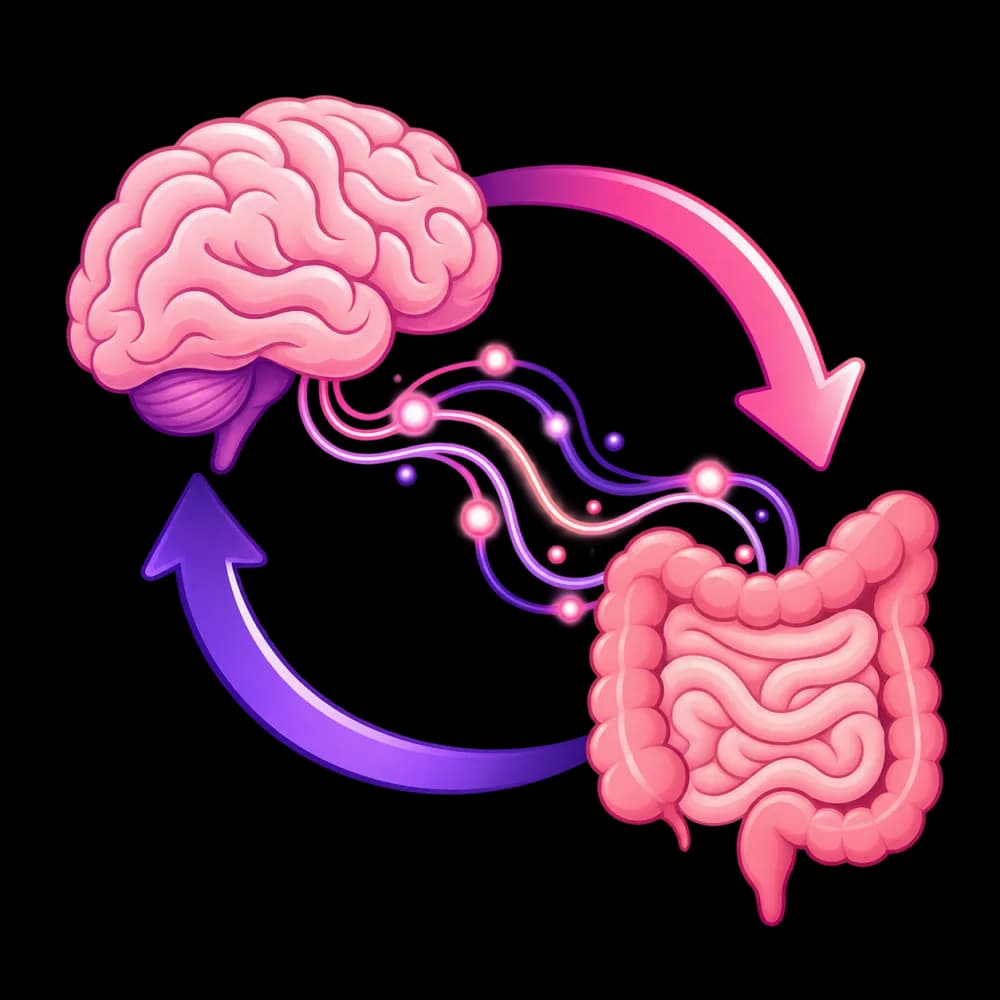
IBS is not simply a problem with your digestive system. Your gut and brain are in constant communication through what is known as the gut-brain connection.

This means that what you are feeling emotionally can influence your digestive system, and what is happening in your gut can affect how you feel emotionally.

When you are stressed, anxious or worried, your nervous system can become more alert. For someone with IBS, this may affect how the gut moves, how sensitive it feels and how strongly you notice digestive sensations.

Over time, this can become a frustrating cycle:

Symptoms › worry › increased alertness › greater sensitivity › more symptoms › more worry.

This doesn't mean that your symptoms are “all in your head”. IBS symptoms are real. Rather, it recognises that the brain and digestive system are closely connected and can influence one another.

Illustration showing two-way communication between the brain and digestive system

IBS and your nervous system

Why can stress affect IBS?

Your body has a natural response to stress designed to keep you safe. When you feel threatened or under pressure, your nervous system becomes more alert and prepares your body to respond.

Your digestive system can be affected as part of this response.

For some people with IBS, everyday pressures, anxiety about symptoms or previous difficult experiences can cause the nervous system to remain more “on guard”. This may contribute to increased awareness of gut sensations and make symptoms feel more difficult to manage.

This is one reason why you might notice your IBS becoming worse during particularly stressful periods, even when your diet and routine haven't changed.

Feeling safer in your body

Breaking the IBS–stress cycle

If you have experienced IBS for a long time, you may also have developed understandable worries around your symptoms.

You might think:

  • “What if I need the toilet when I'm out?”
  • “What if I get a flare-up while I'm travelling?”
  • “What if I eat this and it makes me ill?”

These thoughts are completely understandable when you have experienced unpredictable symptoms. But constantly monitoring your stomach or worrying about the next flare-up can keep your nervous system in a heightened state of alertness.

Learning to feel safer and calmer in your body can therefore be an important part of managing IBS.

This is where hypnotherapy may have a role.

It can help you develop a calmer response to uncomfortable sensations, reduce the fear and anticipation surrounding symptoms, and strengthen your ability to relax your body when you notice IBS beginning to flare.

The wider impact

IBS isn't just about your gut

Living with IBS can affect your confidence, your choices and the way you approach everyday life. You may begin avoiding certain foods, planning journeys around toilets, turning down social invitations or worrying about being far from home.

Hypnotherapy doesn't aim to suggest that your symptoms aren't real. Instead, it works with the relationship between your mind, nervous system and digestive system to help you develop a calmer and more comfortable response to IBS.

The aim isn't simply to cope with IBS. It's to help you feel less controlled by it.

A mind-body approach

How hypnotherapy can help with IBS

Hypnotherapy can help change the way the brain interprets gut signals and give you practical ways to respond more calmly to symptoms.

  1. Calm gut sensitivity. Many people with IBS experience heightened visceral sensitivity. Hypnotherapy can help reduce how strongly the gut responds to normal stimuli.
  2. Regulate the gut-brain dialogue. Helping the brain interpret gut signals more gently may lessen overreaction and flare cycles.
  3. Lower stress and its impact. Because stress is a common trigger, hypnotherapy helps train your system to stay calmer under pressure.
  4. Support more balanced bowel function. Suggestions can encourage smoother, more regular digestion and bowel movements over time.
  5. Reframe symptoms. Worry can amplify symptoms. Hypnotherapy helps reduce fixation and fear around them.
  6. Develop self-soothing tools. Build internal anchors and practices to calm digestive unrest when it arises.
A note about medical care: IBS symptoms should be assessed by an appropriate healthcare professional. Hypnotherapy is a complementary approach and does not replace medical diagnosis or treatment.

What's included

Everything included in the 6-session IBS programme

1 × 60–90 Minute Initial Consultation

During our first session, we'll explore your main areas of concern and create a personalised plan to help you regain more control over your IBS. You'll also experience your first gut-directed hypnotherapy session, helping you to enter a relaxed and focused state for around 25 minutes.

5 × 60 Minute Follow-Up Consultations

We'll meet every 1–2 weeks for your follow-up gut-directed hypnotherapy sessions. Each consultation includes approximately 35 minutes of CBT-based coaching alongside 25 minutes of personalised hypnotherapy, designed to help you work towards breaking the cycle of IBS symptoms you may be experiencing.

3 × Support Audio Recordings

You'll receive support recordings after sessions 1, 3 and 5, selected according to where you need the most support at that stage of your journey.

You'll be encouraged to listen to these recordings daily between appointments. They are an important part of the programme and are designed to support the connection and communication between the gut and brain.

Support Worksheets & Evidence-Based Exercises

Between sessions, you'll receive worksheets, resources and evidence-based exercises to work through in your own time.

These will help you put the techniques you're learning into practice and gradually build your own toolkit of skills and strategies to support you moving forward.

Investment

Choose how you'd like to begin

Best value — save £100

Option 1 — Full programme

Complete 6-session IBS programme

All 6 sessions, personalised audio recordings, worksheets and evidence-based exercises, with support between sessions.

£300

Save £100 compared with paying session by session

Option 2 — Session by session

Start with an initial consultation

Not ready to commit to the full programme? Begin with a single 60–90 minute session — with no obligation to continue.

£75

Follow-up sessions are £65 each